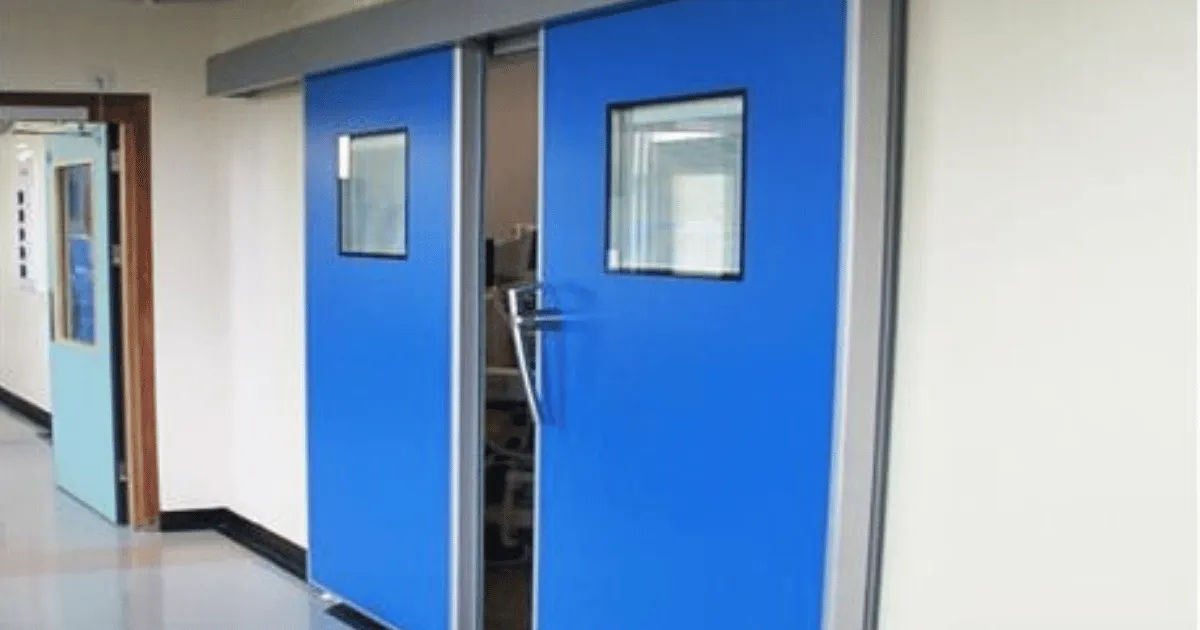
In modern healthcare facilities, controlling infection risks is one of the highest priorities. Operation Theater Doors play a critical role in maintaining a clean and controlled surgical environment by reducing the movement of contaminants, controlling airflow, and preventing the entry of unwanted particles.
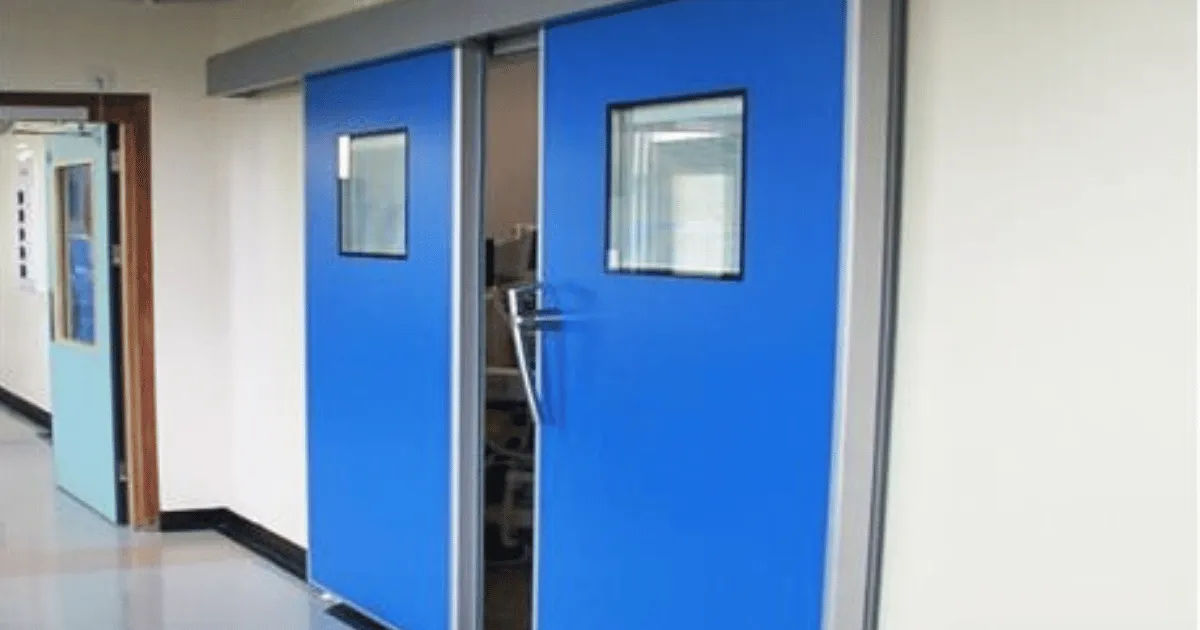
Although doors may seem like a simple part of a hospital building, specially designed surgical doors are essential for protecting patients, medical staff, and surgical equipment from contamination.
An operation theater requires strict hygiene standards because even small amounts of bacteria, dust, or airborne particles can increase the risk of surgical site infections. Operation Theater Doors are designed with advanced materials, sealing systems, and automation features that help maintain the required level of cleanliness inside the operating room.
This comprehensive guide explains how these specialized doors work, why they are important, and how they contribute to infection control in hospitals.
The Importance of Infection Control in Operation Theaters
An operating room is one of the most sensitive areas in any hospital. During surgery, a patient’s body is exposed, making them more vulnerable to infections caused by microorganisms. Controlling contamination inside this environment is necessary to ensure patient safety and successful medical outcomes.
Common sources of contamination in operation theaters include:
- Airborne bacteria and dust particles
- Frequent movement of healthcare workers
- Opening and closing of doors
- Contaminated surfaces
- Poor airflow management
- Inadequate cleaning procedures
Even a small disruption in the controlled environment can introduce harmful particles. This is why every component of an operating room, including flooring, walls, ventilation systems, and doors, must support hygiene requirements.
How Operation Theater Doors Help Reduce Contamination
Preventing Airborne Contaminants From Entering
One of the primary functions of Operation Theater Doors is preventing contaminated air from entering the surgical area. Hospitals use controlled airflow systems to maintain clean air inside operating rooms.
When traditional doors are opened frequently, outside air carrying dust, microorganisms, and pollutants can enter. Specialized surgical doors minimize this risk by creating a tight barrier between the operating room and surrounding areas.
These doors are manufactured with strong sealing mechanisms that reduce air leakage. When properly installed, they help maintain pressure differences between rooms, allowing clean air to remain inside while preventing contaminated air from flowing in.
Maintaining Positive Pressure Environments
Most modern operation theaters use positive pressure systems. This means the air pressure inside the operating room is slightly higher than surrounding areas.
When the door opens, air naturally moves outward instead of allowing contaminated air to enter. Operation Theater Doors support this system by providing airtight closure and reducing unnecessary air exchange.
A properly sealed door helps maintain:
- Stable air pressure
- Controlled airflow direction
- Reduced microbial contamination
- Better environmental safety
Without effective doors, maintaining positive pressure becomes more difficult and may compromise infection control measures.
Reducing Human Traffic and Unnecessary Movement
People entering and leaving an operating room are one of the biggest contamination risks. Every movement can introduce microorganisms through clothing, footwear, or airborne particles.
Modern Operation Theater Doors often include automatic opening systems that reduce unnecessary contact. Motion sensors, foot sensors, or touchless controls allow healthcare workers to operate doors without touching handles.
This provides several benefits:
- Less physical contact with door surfaces
- Reduced transfer of bacteria
- Faster movement during emergencies
- Improved workflow efficiency
By controlling access and reducing unnecessary door opening, these systems help maintain a cleaner surgical environment.
The Role of Hermetically Sealed Doors
Hermetically sealed doors are commonly used in advanced operating theaters because they provide excellent protection against contamination.
These doors close tightly against specially designed frames, creating a strong seal around the edges. This prevents air leakage and reduces spaces where bacteria and dust can accumulate.
The main features of hermetically sealed Operation Theater Doors include:
- Airtight closing mechanism
- Smooth surface design
- Easy cleaning capability
- High resistance to contamination
- Improved airflow control
Because there are fewer gaps and joints, these doors are easier to disinfect and maintain.
Using Antibacterial and Easy-to-Clean Materials
Material selection is another important factor in reducing contamination. Hospital doors must withstand frequent cleaning with disinfectants while maintaining their performance.
High-quality Operation Theater Doors are usually made from materials such as stainless steel, aluminum, or specialized healthcare-grade panels.
These materials provide:
- Resistance against corrosion
- Smooth surfaces without dirt-trapping areas
- Easy cleaning and sterilization
- Long-lasting durability
Unlike ordinary doors with complex designs, surgical doors are built with minimal edges and joints where microorganisms could collect.
Supporting Cleanroom Standards
Operation theaters are similar to cleanroom environments because they require strict control over airborne particles. The doors used in these areas must meet specific cleanliness standards.
Operation Theater Doors support cleanroom performance by helping maintain:
- Controlled temperature
- Air cleanliness levels
- Pressure balance
- Reduced particle movement
A properly designed door works together with HVAC systems, air filters, and sterilization procedures to create a safe surgical environment.
Automatic Door Technology and Contamination Prevention
Automation has become an important feature in modern hospitals. Automatic Operation Theater Doors improve hygiene by reducing the need for physical contact.
Healthcare workers often have gloves, medical instruments, or sterile equipment in their hands. Touching a door handle can create contamination risks.
Automatic systems allow doors to operate through:
- Foot sensors
- Motion detection
- Remote controls
- Push buttons
- Access control systems
These technologies improve convenience while supporting infection prevention.
How Door Design Improves Cleaning and Maintenance
Cleaning is a major part of infection control. A door that is difficult to clean can become a hidden source of contamination.
Surgical doors are designed with smooth surfaces and durable finishes that allow frequent cleaning.
Important design features include:
- Rounded edges
- Non-porous surfaces
- Minimal hardware
- Resistance to chemical cleaners
Regular maintenance ensures that the doors continue to provide protection throughout their service life.
The Importance of Proper Installation
Even the highest-quality Operation Theater Doors cannot perform effectively if they are installed incorrectly.
Professional installation ensures:
- Proper alignment
- Correct sealing
- Smooth operation
- Effective pressure control
- Long-term reliability
Small installation problems, such as gaps around the frame or improper closing, can reduce the door’s ability to control contamination.
Hospitals should work with experienced manufacturers and installers who understand healthcare requirements.
Additional Features That Improve Safety
Modern surgical doors include several advanced features designed for better infection control and operational efficiency.
Interlocking Systems
Some operation theaters use interlocking doors. These systems prevent two doors from opening at the same time, reducing sudden airflow changes.
This helps maintain controlled environmental conditions.
Vision Panels
Many surgical doors include small glass windows that allow staff to see inside or outside without opening the door.
This reduces unnecessary door movement and supports safer communication.
Fire and Safety Compliance
Healthcare facilities must also consider emergency safety. High-quality doors can combine contamination control features with fire resistance and safety standards.
Benefits of Using High-Quality Operation Theater Doors
Investing in proper surgical doors provides multiple benefits for healthcare facilities.
Lower Infection Risks
By controlling airflow and reducing contamination entry, these doors help decrease the possibility of surgical infections.
Improved Patient Safety
A cleaner operating environment supports better surgical outcomes and protects vulnerable patients.
Better Staff Efficiency
Automatic systems allow medical teams to move quickly without interrupting procedures.
Long-Term Cost Savings
Durable materials and reliable designs reduce repair and replacement costs over time.
Factors to Consider When Selecting Operation Theater Doors
Hospitals should evaluate several factors before choosing surgical doors.
Material Quality
The door material should be strong, hygienic, and resistant to frequent cleaning.
Sealing Performance
Effective sealing is essential for maintaining controlled airflow.
Automation Features
Touchless operation can significantly improve hygiene.
Compliance Standards
Doors should meet healthcare and cleanroom requirements.
Maintenance Requirements
Easy maintenance helps ensure consistent performance.
Future Developments in Surgical Door Technology
Healthcare technology continues to improve, and surgical doors are becoming more advanced.
Future developments may include:
- Smart access control systems
- Real-time monitoring sensors
- Improved antimicrobial coatings
- Energy-efficient automatic systems
- Integration with hospital management software
These innovations will further improve contamination control and patient safety.
Conclusion
Maintaining a sterile operating environment requires attention to every detail, and doors are an important part of infection prevention strategies. Operation Theater Doors help reduce contamination by controlling airflow, preventing unwanted entry of particles, minimizing human contact, and supporting cleanroom conditions.
Unlike standard doors, surgical doors are specifically designed to meet the demanding requirements of healthcare environments. Their airtight sealing, durable materials, automatic operation, and easy-clean surfaces make them essential for modern hospitals.
Choosing the right Operation Theater Doors improves patient protection, supports medical staff efficiency, and contributes to better infection control practices. As hospitals continue to focus on safety and advanced healthcare standards, these specialized doors will remain a vital component of successful surgical environments.
Source: View the original article
